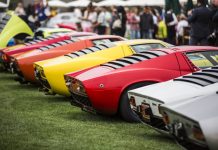
Almost every nation on earth has some sort of motoring heritage. The obvious ones are the Americans with their love of land boats that have a healthy appetite for fuel, or the Italian obsession with pissed-off animals like bucking horses and ranging bulls. Even in humble South Africa do people have a deep – bordering on fanatical – love of cars.
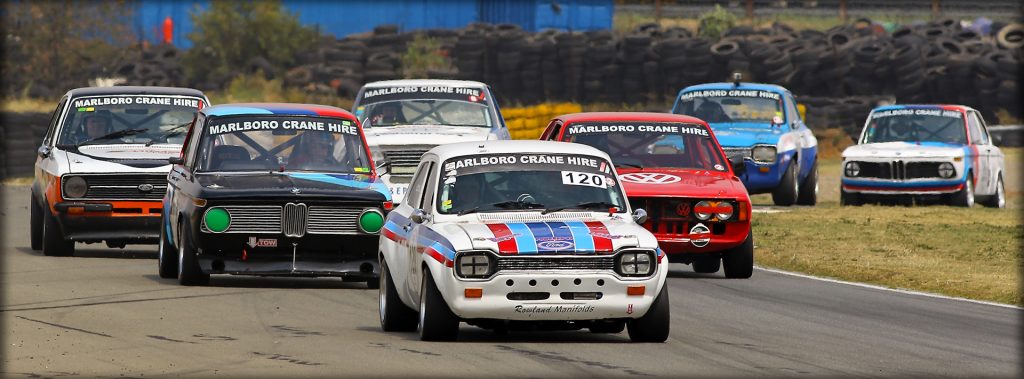
During the later years of Apartheid, South Africa was pretty much cut off from the rest of the world motoring wise, and while we still got a few select models, more often than not, we were left bereft of the performance variations.
“If you don’t know why those words and numbers are relevant, go do a Google and then resume reading.”
Not to feel left out, South Africans began poking around the spares bin and started offering factory modified versions of humdrum standard models to satisfy the people’s insatiable lust for power. These cars have transcended desirability, and have taken on a devotion that comes close to resembling organised religion.
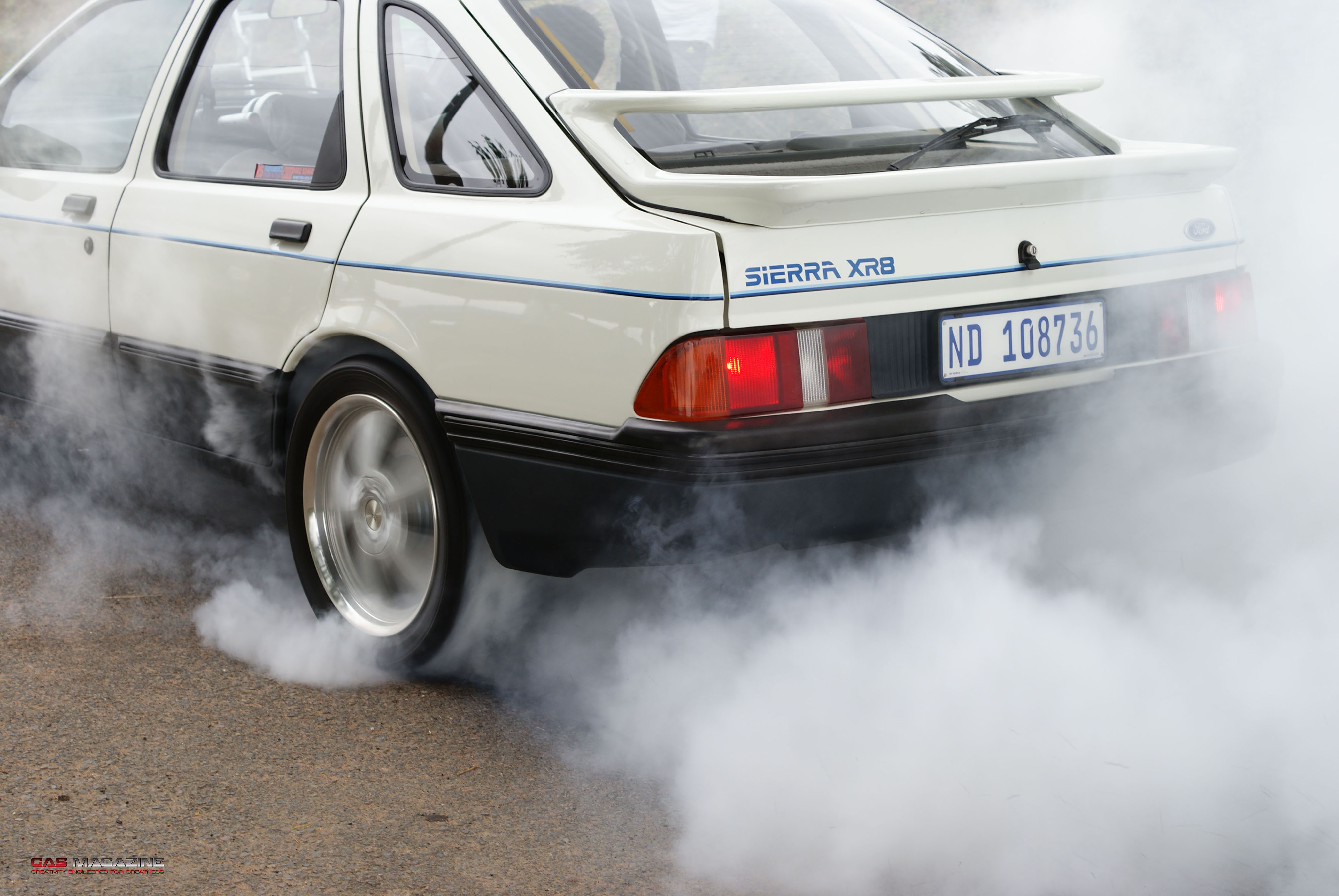
What am I talking about? Superboss, 333i, Perana, XR8…
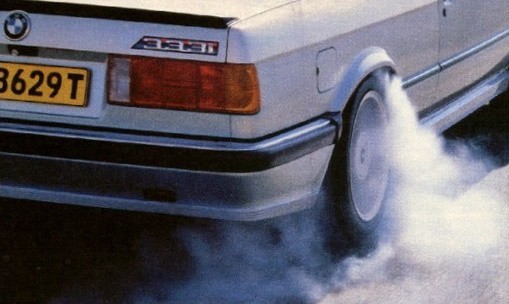
If you don’t know why those words and numbers are relevant, go do a Google and then resume reading.
These uniquely South African performance cars gave us something to be proud of, and drove the nation’s passion for motorsport during a time when it was pretty difficult to be stoked on anything else.
They also made our local racing scene one of the most exciting in the world, on track and dirt, and helped develop world class drivers like Sarel van der Merwe and Jody Scheckter.
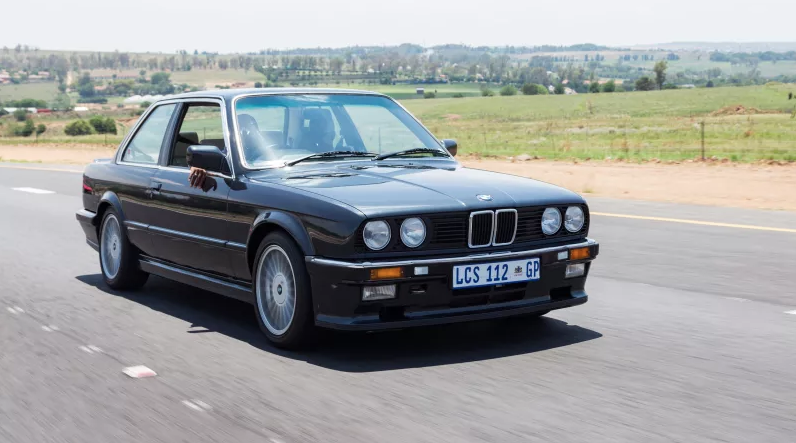
The BMW 333i is the perfect example of South African ingenuity, and has become a legend that’s fetching big money at car auctions across the world.
The 333i’s M30B32 3.3-liter engine came straight off a 733i 7-Series, and tuning house Alpina contributed to the conversion with a variety of parts like the gearbox, rear axle and brakes.
With around 200 HP and 284 Nm of torque, the lightweight E30 was actually a pretty fast car. Only 204 units were ever made, between 1985 and 1987, many of them entering local motorsport competitions. Only one of them was officially exported to the UK.
Fast forward to 2018. The economy isn’t looking too hot, the exchange rates are looking very kak, blah blah blah.
As a result, South Africa is bleeding its motoring heritage to buyers from overseas who are willing to pay big money for our one-off editions. The massive buyout isn’t exclusively affecting South Africa’s locally developed rarities, but has spread to other classics as well, thanks to our more forgiving climate that keeps old cars relatively rust free, and in turn, more desirable.
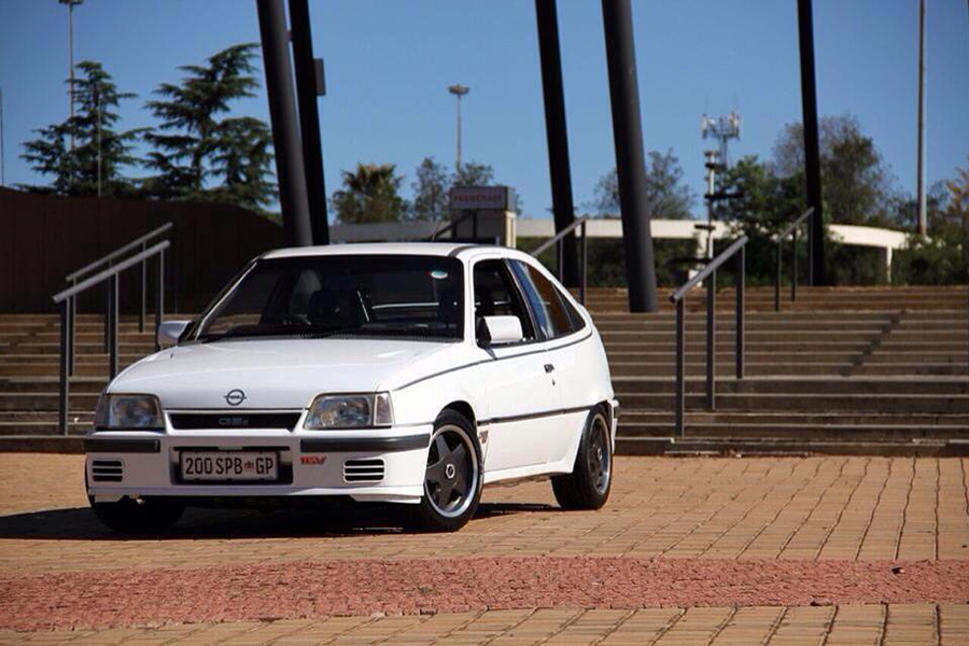
A few years ago you could still find a “dog-bone” Ford Escort in good nick for a decent price, these days they have become borderline exotics, and because of their growing popularity, they have become an appealing investment for hungry overseas investors.
I understand why South Africans would see the appeal in a fat cheque with many zeros attached during these tough economic times. But just like humanity’s drive to protect rainforests for the benefit of the planet – instead of bulldozing them down and building rows of sardine-ville housing estates – can’t we resist the evil allure of money, stand together in solidarity and keep these classics in the family for future generations of South African petrol heads?
This also raises an interesting topic regarding classic cars that I’ll chat about another time, but in the meantime, hold on to your Boss you blerrie poephol.
Story: Michael Butler, full-blown Carmonkey.