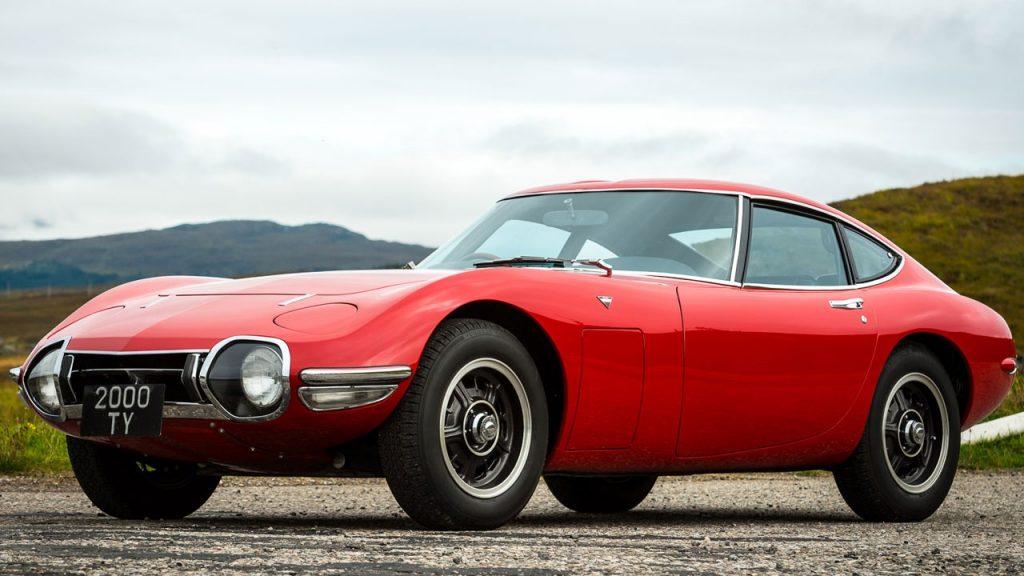
People are addicted to nostalgia. This is evident in the fact that the Rolling Stones are still somewhat active and that vinyl records have made a massive comeback. The same goes for cars. Around the world you’ll find fanatic admiration for classic cars of all make, model and year, and you’ll find that the owners of these cars have been in a life long love affair with their favourite rides.
Mass produced motor vehicles like the famous Model T continue to transport people from point A to B (from the garage to the classic car show), a whole century after being introduced to the man on the street, and with a history nearing the 150-year-mark, the automobile has become ingrained in the fabric of society.
This also means that there is an enormous fleet of old clunkers still toddling down our B roads, and – for the most part- resting in our garages. Seeing an old car out in the wild or at a car show is always a pleasure, but if you’re one of the more committed petrol heads who wants to get into the classic or vintage car scene, and more specifically, own and operate a vintage car as your daily form of transport, then there is a long list of things you need to consider, the most important of which is the fact that you WILL break down at least once. We’ll cover a few of the other main considerations below.
“Take care of your car in the garage, and the car will take care of you on the road.” – Amit Kalantri.
Antique, Classic, Vintage or Veteran?
Firstly, a distinction has to be made: we like to call anything that’s older than 30 years a classic, but what is the proper definition?
It is very easy to define a veteran car, as they were, quite simply, built before the First World War. Similarly, a vintage car was built before 1930, and Post vintage referred to cars from the 30s until the end of WWII, however after this point it all becomes a bit hazy.
Some automotive organisations may refer to a car made in the 1940s as a classic, while others may consider cars from the 1980s as deserving of the moniker. Either way, when looking at an older car to use as your daily form of transport, the veteran and vintage variety won’t cut it.
“The mid to late sixties is about as far as you should push it if you want something bearable to live with on a daily basis”
Ancient suspension tech, braking systems adopted from ox wagons, bad fuel consumption, and engine performance on par with World War 2 tanks would dissuade even the most loyal of fans.
The mid to late sixties is about as far as you should push it if you want something bearable to live with on a daily basis. Sure, with modification, even a Model T can be made somewhat comfortable, but we’re looking at stock cars here. A refresh can go a long way to give an old car new life, and minor resto-modding can transform the feel of older cars. It all depends on how deep your pockets can go.
In my personal opinion, the late 70’s to early 90’s is the sweet spot, and in that time-gap you’ll find a mountain of excellent modern classics that will be a joy to use on a daily basis.
Letting go of the comforts?
Isn’t it nice to set the cruise control, blast the aircon and select your favourite Kenny G song on your phone, whilst knowing that if anything goes wrong, you’ve got 87 airbags to pillow any smash while you cruise down to the coast?
Well you can forget about most of those luxuries when you’re cruising in a classic, not to mention some of the other less tangible luxuries, like solid road holding, crumple zones, or, in some cases, seatbelts.
Things like road holding can be improved with modern suspension and tyre combinations, and a Bluetooth capable entertainment system is also a simple addition that will go a long way to make a classic feel modern, but some things can’t be updated, and you should make peace with that before you take the plunge.
Parts, parts, parts.
When making a decision about purchasing your dream classic, one of the most important factors that should be taken into account is the availability of spare parts. Ask any owner of older cars; finding parts can turn into a life-long treasure hunt.
I myself have experienced the frustrations of trying to find niggly little parts for my own project car. It’s an adventure for the first few months or so. After that it gets a tad depressing.
“It’s an adventure for the first few months or so. After that it gets a tad depressing.”
The availability (or lack) of spares will ultimately be one of the biggest deciders when buying a classic car. The good news is that big brand and popular classics enjoy massive support, and the internet has made it relatively easy to find most parts. Local clubs are also a good place to enquire about missing pieces.

If the internet or your local club can’t help you out, you can always go the old school route and visit your local scrap yards. it’s more fun than it sounds, i promise.
Now if someone could please find me a right rear taillight for a 1978 Toyota Cressida station wagon, that would be great.
Dollars Vs. DIY
As mentioned earlier, your car will break down. Even ground-up restorations have their issues every now and again.
Once you’ve accepted the fact that your old lady won’t be as reliable as a brand new Toyota, you can move on to the next question: Will your budget allow for towing and labour, or will you be working on the car yourself?
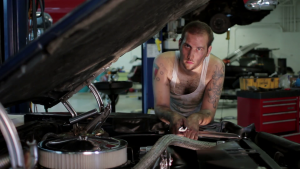
A big plus – depending on how you look at it – for most owners of classic cars is the fact that they can get their hands dirty, and because older cars tend to have simple mechanics, most people who have a basic grip on a spanner can do a lot of the work themselves.
Bigger, and more specialized jobs can be outsourced, but having a basic understanding of cars and a toolbox at the ready could save you a lot of money, and could be lots of fun.
Club Support
Attending classic car club meets and shows is a great way to gather knowledge, parts and war stories from people who share the same passion.
Besides the benefit of parking your car in convoy at petrol stations, and wearing the same golf caps, well-run car clubs offer a tremendous amount of support, and can be a real life-line when your machine starts showing strange symptoms that aren’t listed in the Haynes manual.
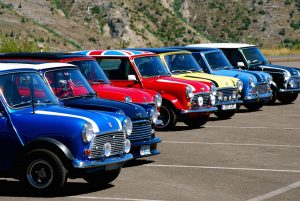
Despite all the doom and gloom, it can be done. There are huge amounts of classics cruising the streets on a daily basis, despite the reliability and safety scares, it’s a real joy to stand out from the rest of the crowd, and can bring you years of smiles as long as you acknowledge what you’re in for. Its not as easy as buying a new car, but anything worth doing always takes a bit of hard work ey.
That being said, here are a few of my favourite modern classics. I could have made this list a lot longer, trust me.
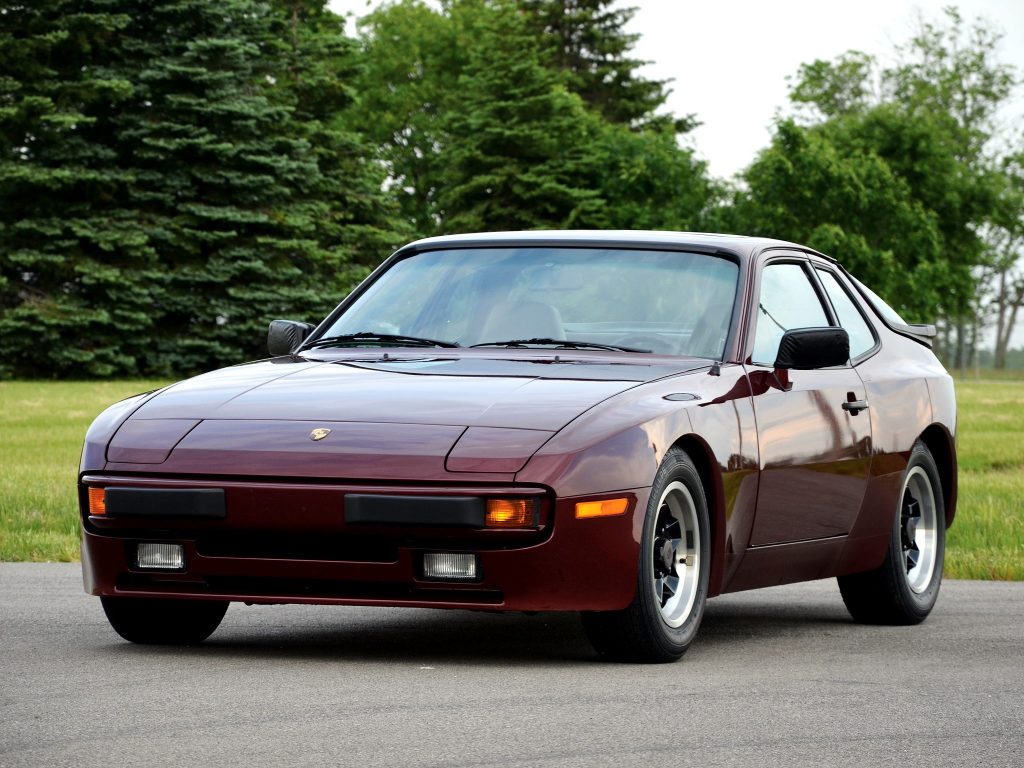
Porsche 944
The 944 was an evolutionary development of the super successful 924 that transformed a recession-hit Porsche sales during the late 1970s. The 924’s main driving asset was its well balanced handling and this transferred to the 944. What the 924 needed – badly – was more power and this came with the 944’s new, all aluminium, 2.5-litre 4-cylinder engine.
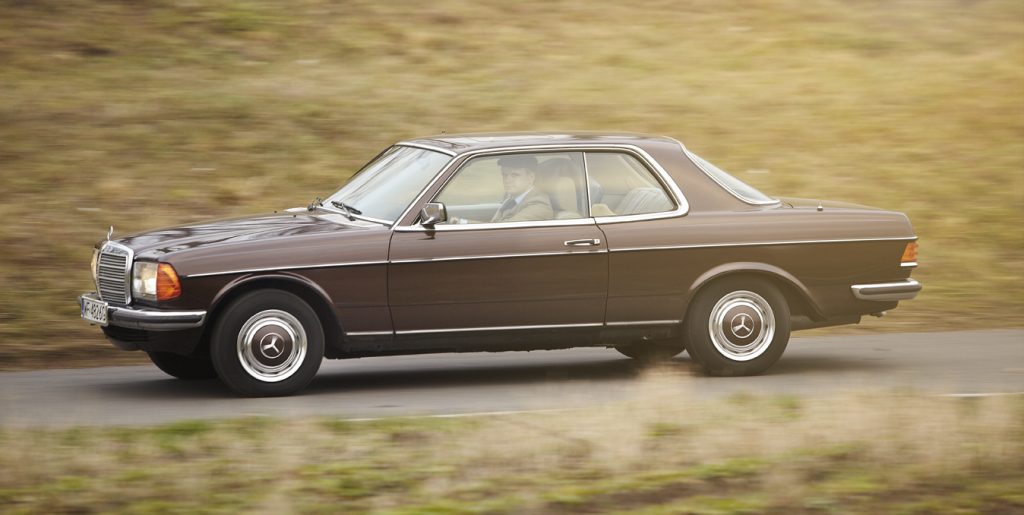
Mercedes Benz CE (W123)
The Mercedes W123 makes an excellent choice of classic, particularly if you want to do some of the maintenance yourself as they’re very easy to work on. There’s usually quite a few for sale, so it shouldn’t be hard to find one.
Mazda MX-5 MK1
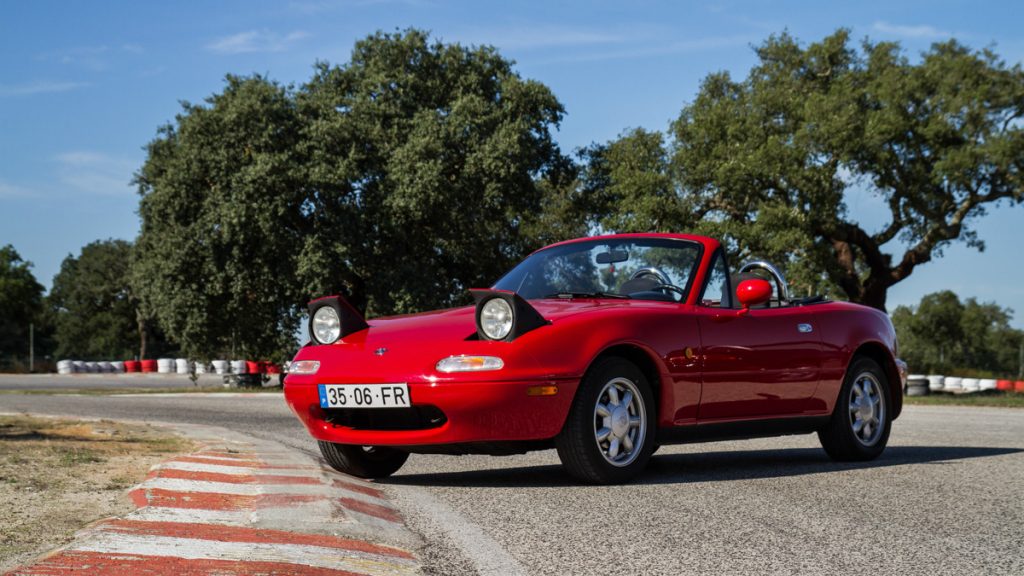
The Mazda MX-5’s unbeatable low cost, high fun duality means that it’s fast becoming the MGB of the modern classic movement – it’s the obvious choice and with good reason.
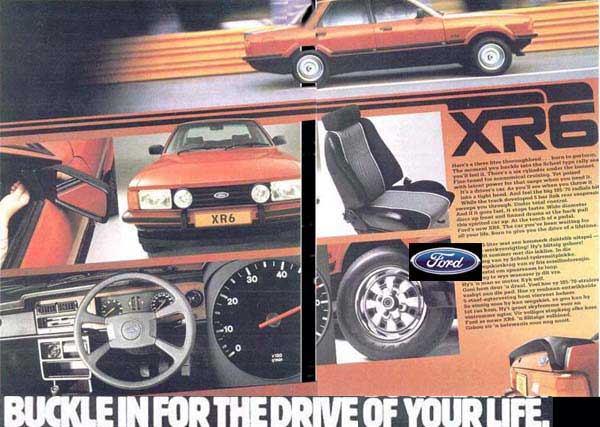
Cortina XR6
Described in CAR’s January 1981 performance issue using adjectives like “tough”, “sun-bronzed”, “muscular brute”, and “honest”, the Ford Cortina XR-6 retailed for R8 490 and went on to become a true South African legend.
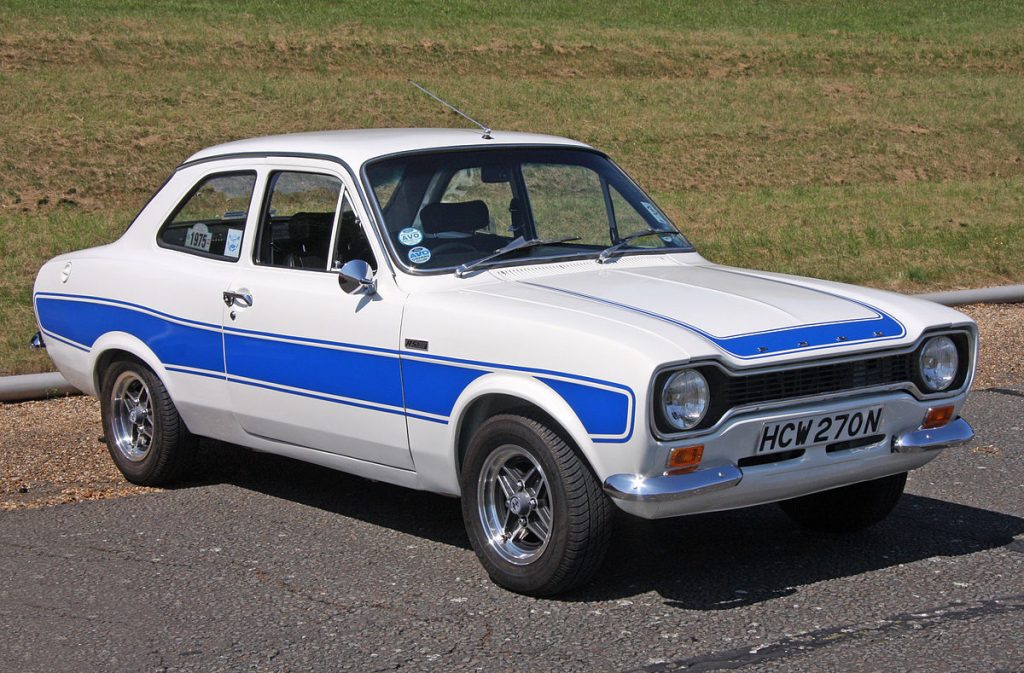
Escort MK1/2
Ford’s rear-wheel-drive Escorts achieved legendary status through their amazing success – on roads, rally stages, and racetracks. Millions were sold worldwide, and they proved to be winners in the hands of the car-buying public and motorsport champions alike.Today, Mk1s and Mk2s (1967 to 1980) have become collectable classics, and values continue to rise, often equalling traditionally more desirable marques.
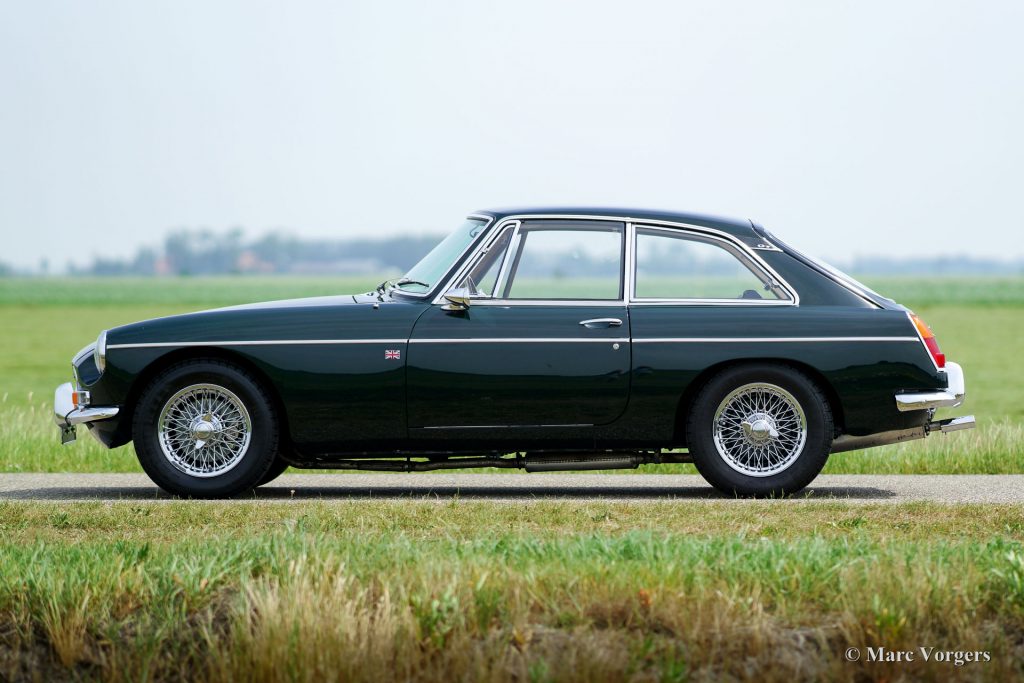
MGB GT
The MGB was a classic, sleek two-seat open top or 2+2 hardtop GT at the leading edge of 1960s sports car design, a description that was still true when it passed out of production in 1980! Throughout that time, it was powered by a very solid if slightly agricultural 1798cc BMC B-series engine, delivering in UK form between 84bhp and 95bhp depending on how the power was measured. This drives through a four-speed manual gearbox, often with overdrive available on 3rd and 4th, through to a robust rear axle.
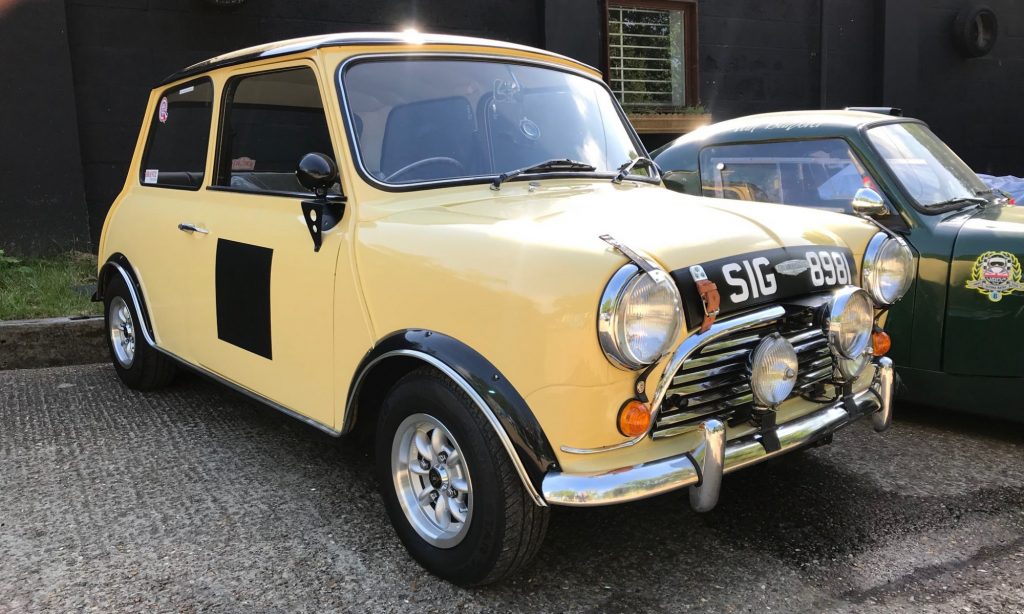
Mini Cooper
The original classless car, the BMC Mini changed the automotive landscape forever. Brilliantly packaged, the Issigonis-designed marvel is brilliant to drive, cheap to run and so well supported by specialists that you could build a new one from off-the-shelf parts; even entire body shells are available.
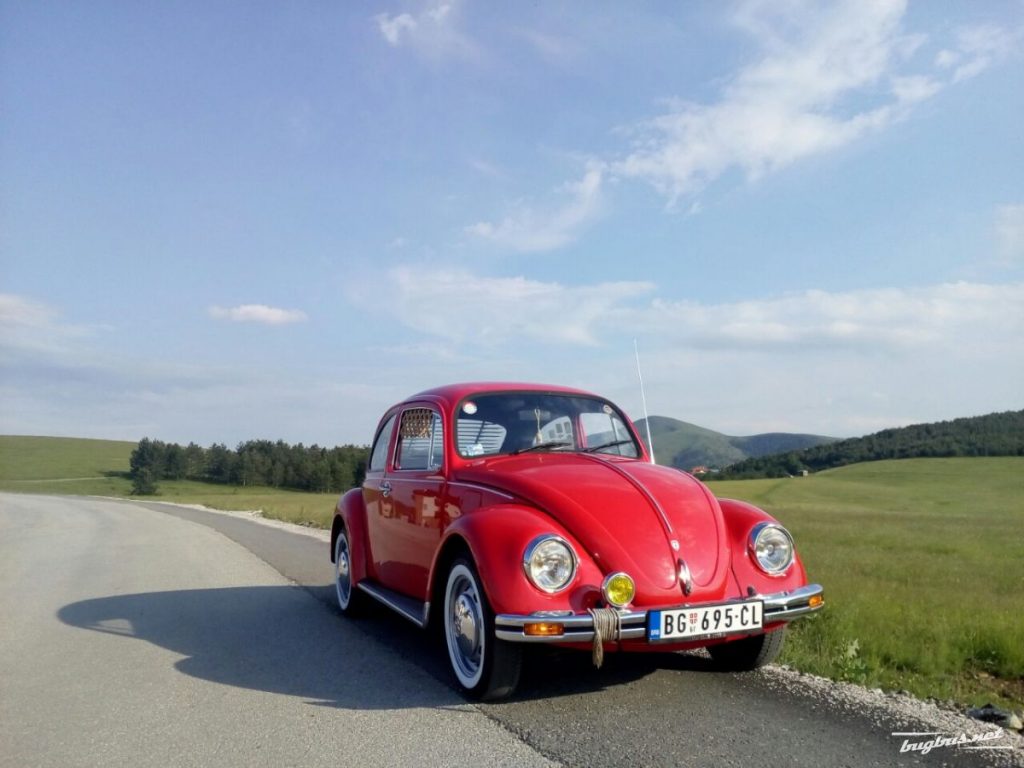
VW Beetle
It’s no coincidence the Beetle was called the ‘people’s car’ because during its eight decade production lifespan it’s remained one of the most loved vehicles on the road. As it’s enjoyed such a long and glorious history, the hard bit is generalising about the various models; obviously there’s a big difference between a split rear window Beetle from the early 1950s and a rounded screen McPherson strut 1303 Super Beetle made two decades later. That said, the basic ethos was the same – in other words, an air-cooled engine in the back powering the rear wheels, a platform chassis, bolt on wings and that wonderfully distinctive classic bug-like shape.
Anything old & Japanese
It is really something to watch the rise of the Japanese collector car scene in recent years. What were once derisively dismissed as “econoboxes,” or with rhyming racist phrases that you won’t see reproduced here, are slowly and rightfully gaining respect as legitimate collector cars. The once-small but ethnically diverse community of Japanese car collectors, racers and enthusiasts is growing, and the rest of the collector car world is starting to take notice.
Almost overnight, rare, early sports cars such as the Mazda Cosmo and the Toyota 2000GT went from expensive curious to Japanese-made unobtanium. The Toyota, for instance, is now worth more than $1-million.