Many new vehicles these days come loaded with all kinds of extras, including safety features that should help you avoid a crash.
Automatic emergency braking, blind-spot detection, forward-collision warning – the list goes on.
Advanced safety features have helped reduce fatalities for those behind the wheel and their passengers, and features that help vehicles avoid pedestrians have the potential to cut into the dramatic increase in pedestrian fatalities in recent years.
But what happens when these ever-more technologically advanced vehicles crash? Experts say the cost to repair all that technology can be hefty.
John Van Alstyne, CEO and president of I-Car, a non-profit focused on vehicle repair education, recently provided a jaw-dropping figure during an appearance on Autoline, an industry-focused program, to repair a “left front corner hit” on a Kia K900: R510 000.
“The Kia K900, for example, has a ton of technology around the front and the corners of that vehicle,” Van Alstyne told host John McElroy, who sounded, not surprisingly, stunned by the figure to repair a luxury sedan, which lists for about R765 000.
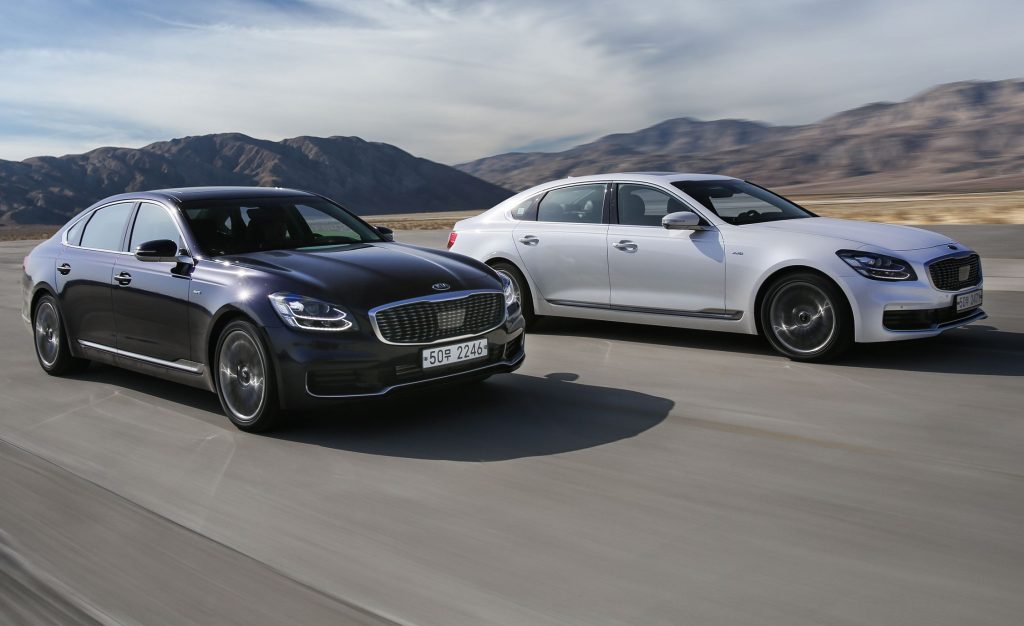
A Kia spokesman did not respond to requests for comment on the repair figure.
While other experts cautioned to be careful of focusing too much on that particular figure because of the wide array of variables involved in a vehicle collision and repair, it’s clear more technology can add to the cost of repair.
In its 2018 “Crash Course” industry trends publication, CCC, which provides vehicle repair cost estimate services, made that case, noting a 2 percent increase in average repair costs from 2016 to 2017 to R43 905 on top of a steady trend of yearly increases beginning in 2010.
“Growth in electronic vehicle content – items added to address vehicle safety or convenience – also add to the overall cost and complexity of repair and the need to understand (automaker) recommended repair procedures,” according to the publication.
Not only are more parts needed, but additional labor is required for resetting, calibrating and scanning operations.
“The average it takes to fix a car is going up,” said Dan Young, vice president of sales and marketing for AsTech, a Plano, Texas-based company that provides vehicle scanning and diagnostic services. “There’s just so many systems that are being installed on these vehicles that operate in the modules and sensors.”
“Minor fender benders now damage sensitive safety components located in bumpers, side mirrors and fenders, increasing the number of vehicles needing sensor calibration and repair,” according to information supplied by Young.
Expanding use of materials such as high-strength steel, magnesium, aluminum and carbon fiber in vehicles, as well as design changes to better safeguard occupants during a crash, such as crumple zones, can also complicate the repair process or require full replacement of vehicle sections to meet automaker recommendations.
Such factors highlight the importance of following automaker guidelines for vehicle repair, the experts said, and paying the necessary price of safety.