Are We Living Through The Pinnacle Of The Hot Hatch Era?
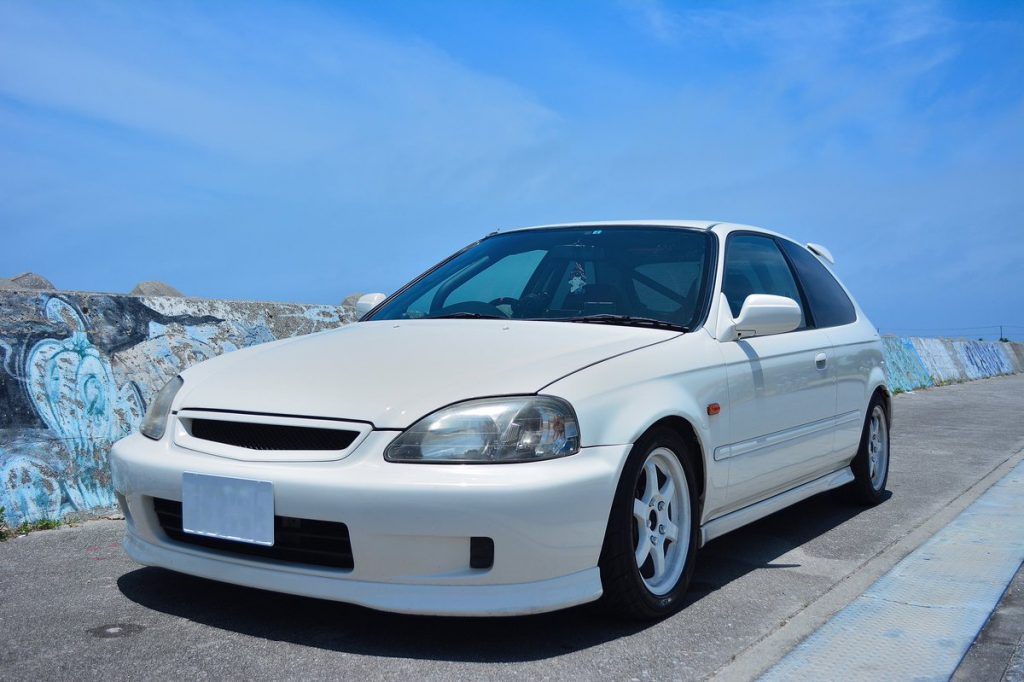
Growing up in South Africa during the 90’s, my favourite hot hatch was the legendary Honda Civic V-Tec. I was dumbstruck by the amount of power they could squeeze out of that tiny 1600cc engine, not to mention the super-bike-like rev limit and good handling.
My sister’s boyfriend at that time had a crisp white example that was his pride and joy. I’ll never forget taking a trip to the Cango Caves with them… The cave was pretty cool, but holy hell, that car! Screaming around twisty Swartberg roads at speeds that would make my mom faint, I couldn’t help but think that it can’t get any better than this.
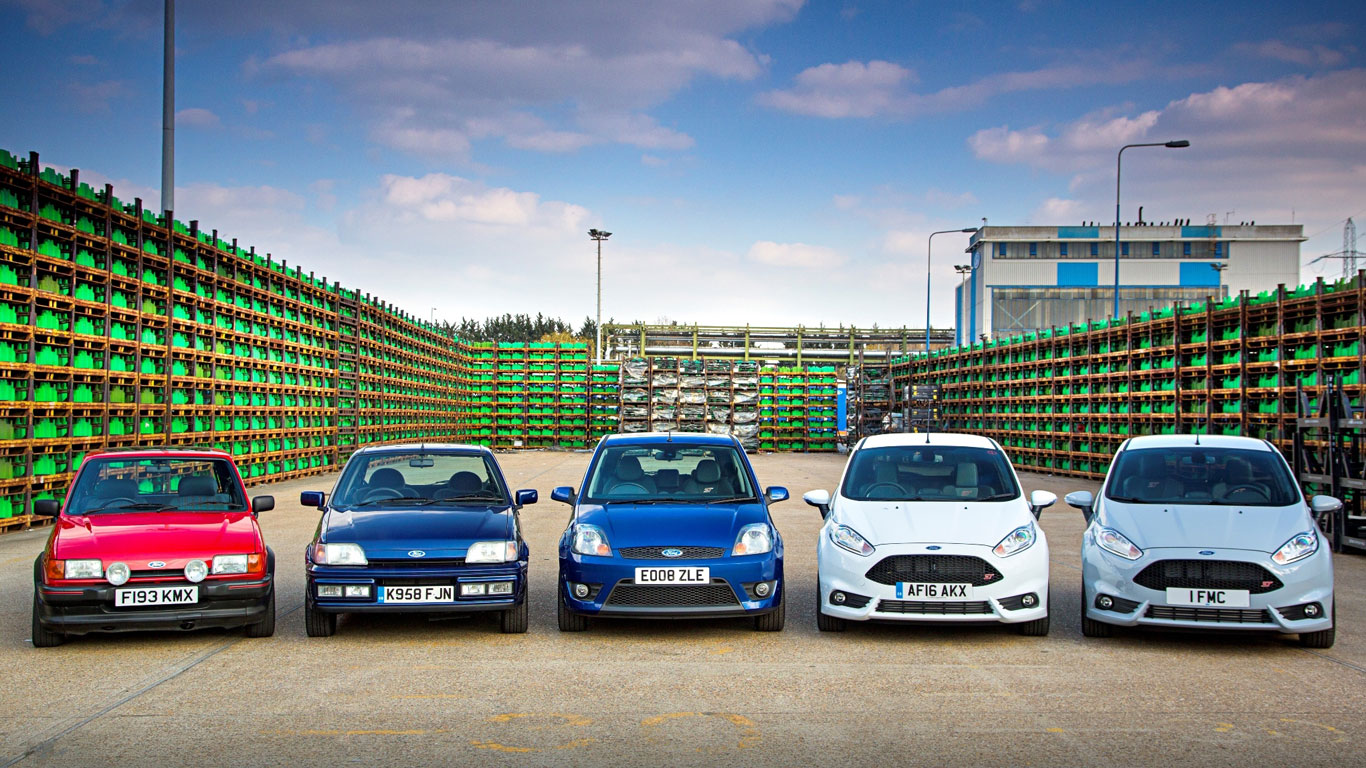
In 2014 I became the proud owner of a brand new Ford Fiesta ST. The instant kick of the turbocharged engine and the now famous road holding capabilities blew me away. Not in the same way that the Honda did during my childhood, but in a more sensible, grown up kind of way.
Hot hatches have come an incredibly long way since I sat in the back seat of that Honda; so much so that I’ve begun to ponder the future of this legendary segment.
The famous Golf MK1 GTI, released in 1975, came powered by a 1.6 fuel injected four banger making around 80kw. It handled well, and had decent pep thanks to a light curb-weight, but most importantly, it made people realize that relatively small power figures, light weight and practicality could equate to good fun.
Fast forward 43 years: you step into a VW showroom and you’re greeted by the Golf R, a car that I believe would’ve been competitive during the early days of the infamous group B rallies of the 70s and 80s, if you had a time machine.
The humble MK1 has evolved into a snarling, 4-wheel drive, double clutched, turbo charged beast that can decimate supercars of the MK1’s era.
“I honestly think that the core nature of the hot hatch – light weight, decent power and practicality – has been lost for a while now.”
This raises the question; Where do we go from here? The hot hatch arms race has gotten to a point where manufacturers are dropping the traditional front wheel layout in favour of 4 wheel drive systems, power levels are ever increasing and in turn, performance levels are starting to encroach on that of the exotics.
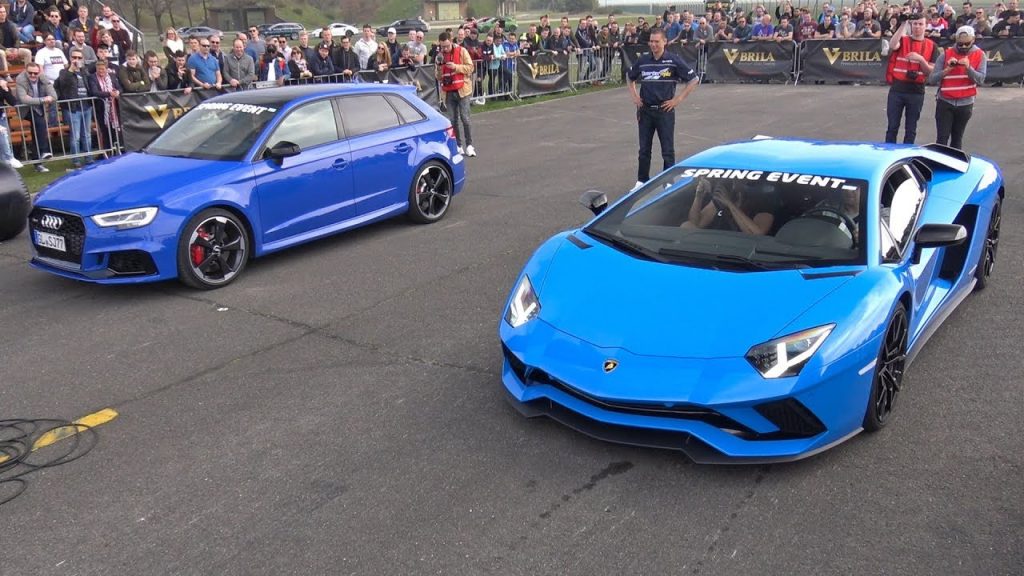
The weird obsession with ‘who can get around a long stretch of twisty bois in Germany’ isn’t (or is, depending on how you look at it) helping the situation. Just like the rise of Cold War feelings between the US and their counterparts in the East, car manufacturers have been one-upping each other at an increasing rate, leaving us with monstrosities like the new Civic Type R, a car that could obliterate some 90’s era Ferraris around a track, never mind its great (great, great?) grandfather, the EK Civic V-tec.
Now don’t get me wrong, I love a healthy dose of power, but throughout the years I’ve also come to appreciate the tacit elements of a car. Ask someone who has driven a Nissan GTR; sure it’s fast as all hell, but the PlayStation-esque feedback can get a bit boring.
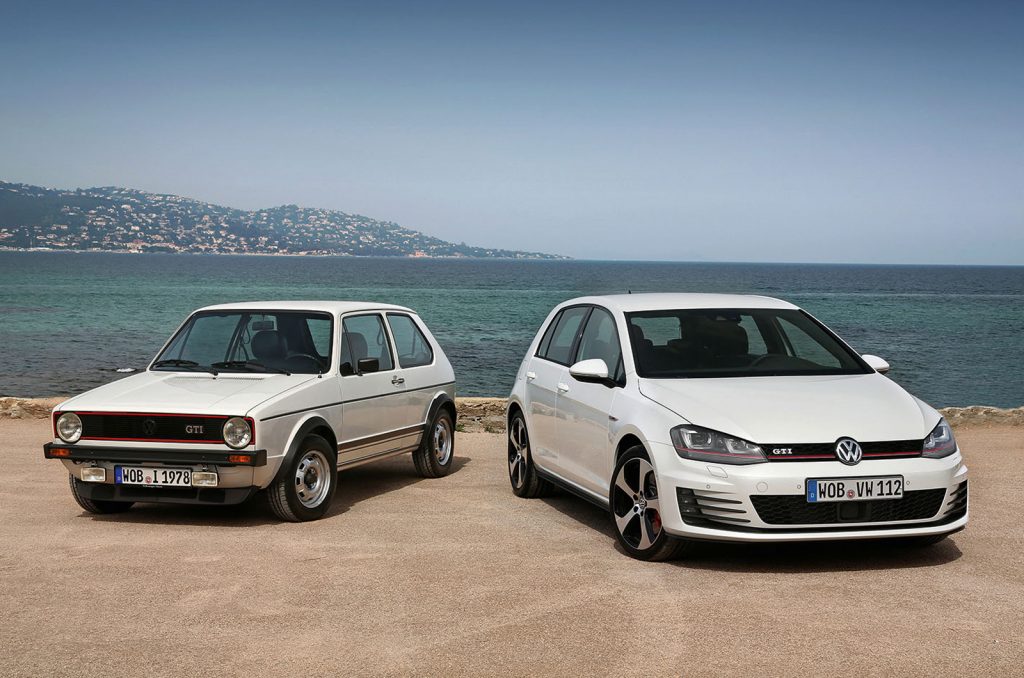
This is what I’m getting at. Sure, through the development of turbo charged engines, clever gearboxes, electronic diffs and launch control, we now live in an era of hot hatches with almost supercar like performance (Think Audi RS3), but where do we draw the line? When a Golf GTI is making 400kw and can stick with a McLaren 570?
I acknowledge cars like the Swift Sport and Fiesta ST for keeping with the original spirit, but even these cars are starting off where mid 2000’s hot hatches began, and I honestly think that the core nature of the hot hatch – light weight, decent power and practicality – has been lost for a while now.
Maybe it’s just me getting older and nostalgic, but I would take a “slow” 90’s screamer over a turbocharged PlayStation game any day of the week.
Story: Michael Butler, full-blown Carmonkey.